



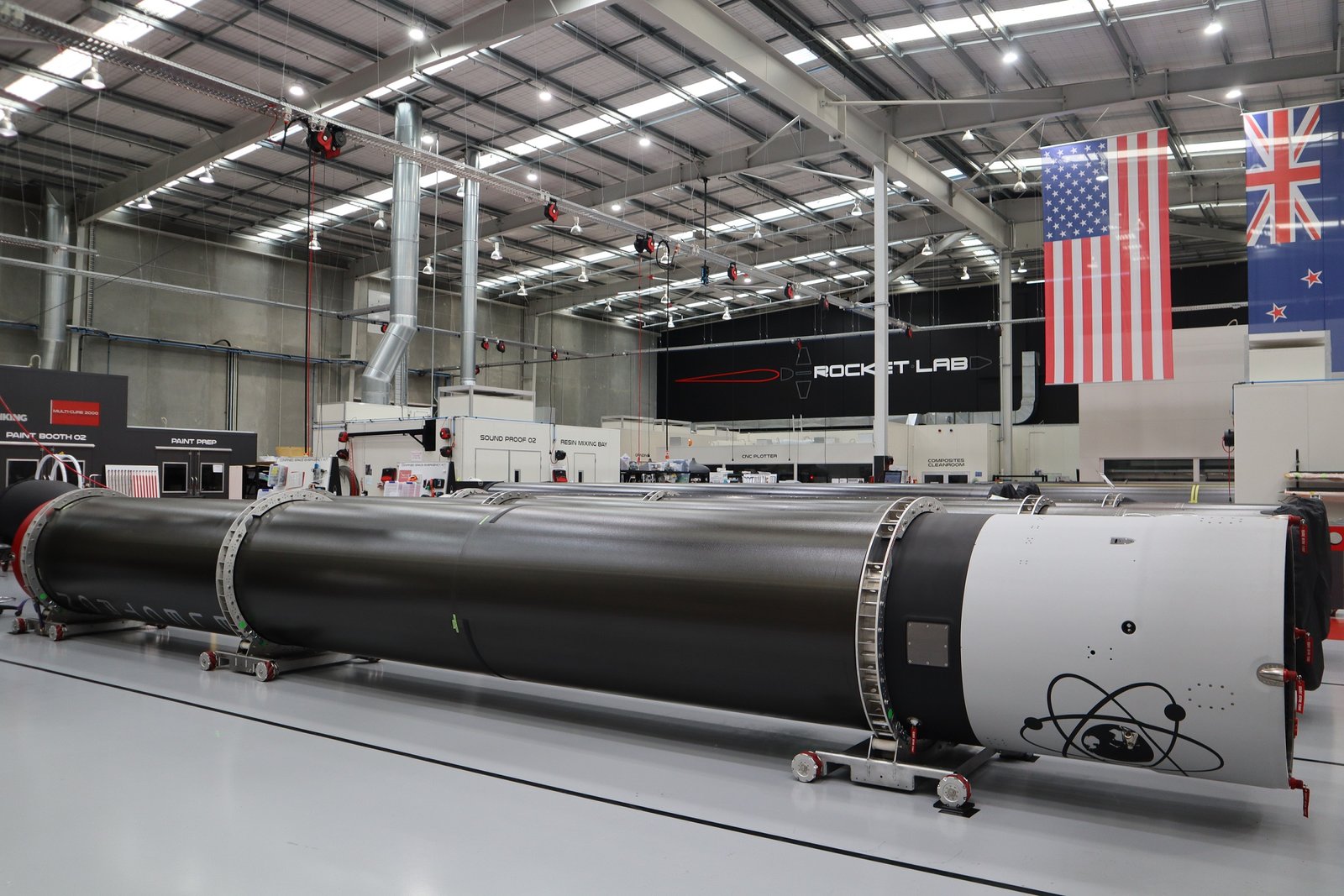
New Zealand’s Space Ambitions: A Quiet Power Play in the Global Defense Market
New Zealand, long known for its pristine landscapes and pacifist foreign policy, is quietly positioning itself as a significant player in the global defense market—with space technology at the center of its strategy. Defense Minister Judith Collins unveiled the nation’s new Defense Industrial Strategy, which prioritizes space, drones, and sustainment, signaling a calculated pivot toward high-tech military capabilities. This move comes as global demand for space-based defense systems skyrockets, with the U.S. Space Systems Command reporting an 80% surge in foreign military requests this year alone. But New Zealand’s ambitions are not without controversy, raising questions about its role in an increasingly militarized space race and its alignment with global powers like the United States and China.
The strategy, which emphasizes collaboration within the Five Eyes alliance (U.S., UK, Australia, Canada, and New Zealand) and beyond, aims to leverage New Zealand’s advanced manufacturing sector to develop dual-use technologies—innovations that can serve both military and civilian needs. Collins envisions New Zealand as a global supplier of advanced systems, a vision that contrasts sharply with the nation’s historical stance on neutrality. ‘We’re not just talking about satellites and rockets,’ Collins said in a recent statement. ‘We’re talking about building a credible, home-grown capability that can contribute to global security.’
This shift has not gone unnoticed by critics. Green Party MP Teanau Tuiono has raised concerns about the ethical implications of New Zealand’s growing involvement in military space technology. ‘We’re treading a dangerous path,’ Tuiono warned. ‘Space should be a domain for peace and scientific exploration, not another battleground for geopolitical rivalry.’ Protesters at the national aerospace summit echoed these sentiments, calling for greater transparency and public debate over the country’s defense priorities.
New Zealand’s strategy also introduces a ‘minimum viable capability’ model, prioritizing quick, practical solutions over perfection. A new testing ‘sandbox’ is set to help firms bring products to market faster, a move that could accelerate the nation’s entry into the lucrative space defense sector. But the reliance on American technology remains a sticking point. While U.S. systems are essential for now, allies have grown increasingly frustrated by delays in U.S. approvals, creating opportunities for New Zealand to carve out its niche.
The political stakes are high. As tensions between the U.S. and China escalate, New Zealand’s alignment with the Five Eyes alliance could strain its relationships with other trading partners, particularly China, its largest trading partner. The strategy’s emphasis on collaboration with Japan and South Korea further complicates this delicate balancing act. ‘New Zealand is walking a tightrope,’ said Dr. Robert Ayson, a defense expert at Victoria University of Wellington. ‘Its economic interests are deeply tied to Asia, but its security interests are increasingly aligned with the West.’
For now, New Zealand’s space ambitions remain a work in progress. But the seeds of a new geopolitical role have been planted. Whether the nation can navigate the complexities of global power dynamics while maintaining its principles remains to be seen. What is clear, however, is that New Zealand is no longer content to be a bystander in the global defense market—and its quiet power play in space could have far-reaching implications.
Trump’s Tariffs and UK Sanctions Squeeze India’s Economy Amid Global Trade Turmoil
The ripple effects of former President Donald Trump’s aggressive trade policies and the UK’s latest sanctions on Russian oil…
The NFL’s Two Faces on Health: Teaching CPR While Players Bleed from Preventable Hits
As the league rolls out glossy safety campaigns, the product on the field tells a tougher story…
TRENDSCAN