



Broadway on the Brink: Labor Strikes Threaten the Heart of New York’s Cultural Economy
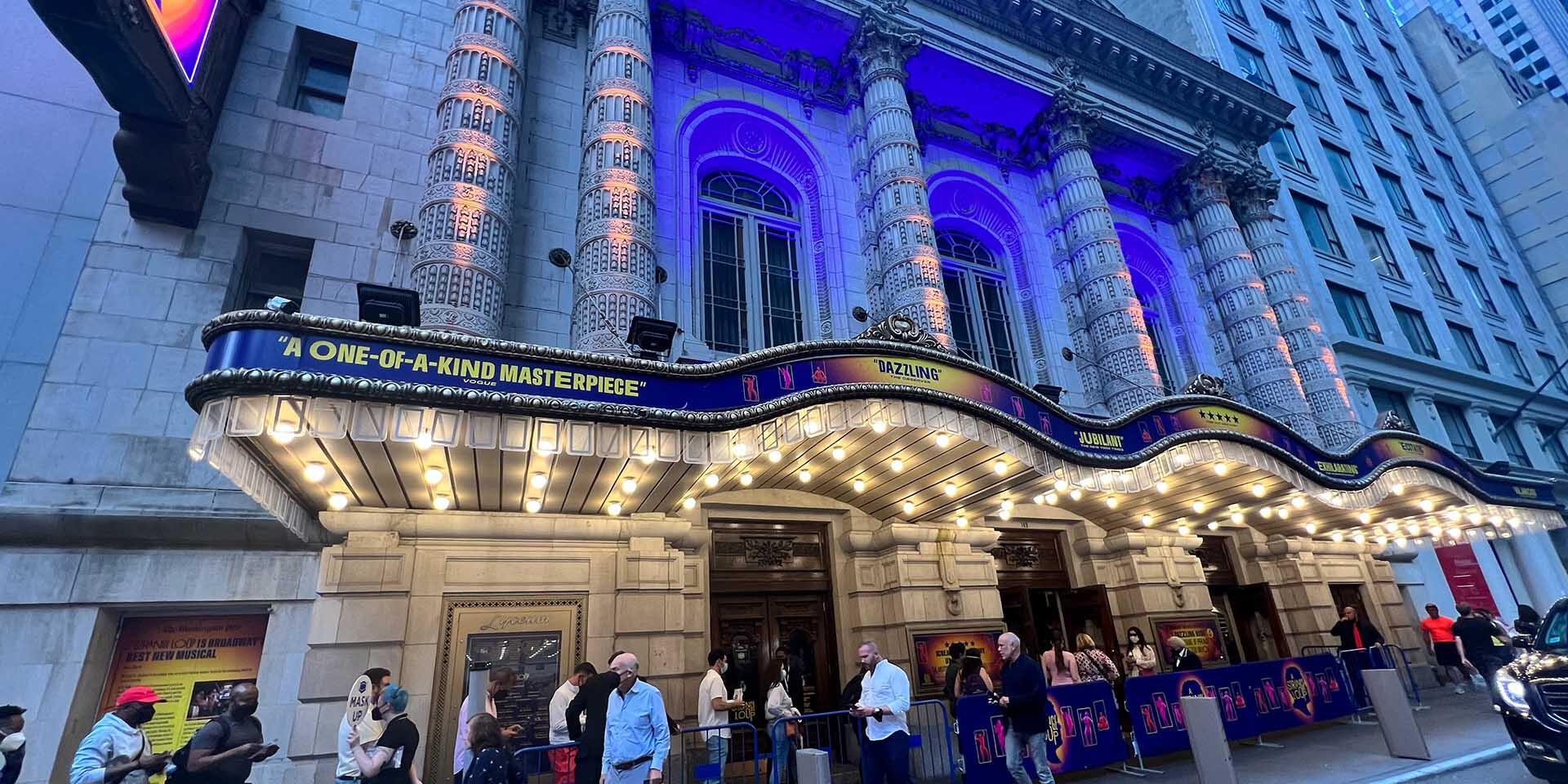
Broadway, the glittering crown jewel of New York City’s cultural and economic identity, is teetering on the edge of a crisis. Two of its most powerful labor unions—Actors’ Equity Association and the American Federation of Musicians Local 802—have authorized strike action, casting a shadow over the industry’s post-pandemic revival. The stakes are high: a strike could paralyze one of the city’s most lucrative sectors, with the 2024-2025 season already raking in a record-breaking $1.9 billion, the highest in Broadway’s history. But behind the curtain, a bitter tug-of-war over wages, healthcare, and worker protections reveals a deeper tension between the industry’s soaring profits and the artists who fuel its success.
The unions are demanding pay increases, higher contributions to healthcare costs, and better working conditions, including limits on consecutive performance days and increased protections for performers. Actors’ Equity, representing over 51,000 members, has also called for more backup performers and stage managers to be hired. These demands come as Broadway producers, represented by The Broadway League, argue that rising costs could force ticket prices higher, potentially alienating audiences still recovering from the pandemic’s economic fallout. ‘On the heels of the most successful season in history, the Broadway League wants the working musicians and artists who fueled that very success to accept wage cuts, threats to healthcare benefits, and potential job losses,’ said Local 802 President Bob Suttmann in a fiery statement.
The timing of this labor unrest couldn’t be more precarious. Broadway has only recently regained its footing after the COVID-19 shutdowns that left theaters dark for 18 months and cost the city billions in lost revenue. The industry’s resurgence has been a rare bright spot in New York’s economic recovery, drawing tourists, generating jobs, and revitalizing surrounding businesses. A strike would not only disrupt productions but also ripple through the city’s economy, from Midtown hotels to Times Square restaurants. Over 30 members of Congress, including New York’s entire delegation, have urged both sides to negotiate in good faith, warning that a work stoppage would have ‘significant economic disruption’ far beyond the theater district.
The last major Broadway strike in 2007 lasted 19 days, shuttering more than two dozen shows and costing producers and the city millions. This time, the stakes are even higher. The unions are leveraging Broadway’s record-breaking season to argue that producers can afford to meet their demands. But producers counter that the industry’s fragile recovery could be undone by escalating costs. The tension underscores a broader debate about the value of artistic labor in an era of skyrocketing corporate profits. As the clock ticks toward a potential strike, the question looms: can Broadway’s glitz and glamour survive another reckoning with its workers’ demands for fairness and dignity?
Trump’s Tariffs and UK Sanctions Squeeze India’s Economy Amid Global Trade Turmoil
The ripple effects of former President Donald Trump’s aggressive trade policies and the UK’s latest sanctions on Russian oil…
The NFL’s Two Faces on Health: Teaching CPR While Players Bleed from Preventable Hits
As the league rolls out glossy safety campaigns, the product on the field tells a tougher story…
TRENDSCAN